A video, shot from above on a white table. A hand moves a smartphone over a magazine spread. The pages are white with subtle wireframes of text and images instead of a real design. The hand moves the phone above the spread and its display shows some kind of radar animation while scanning the pages. It also displays the content of the pages but with inverted colors, almost as if the screen was a piece of glas you could look through onto the table. The hand places the phone onto the magazine and drags it around slowly. The screen indicates some kind of locked state once a certain position and orientation is reached. The content below the phone, printed on the magazine page, turns into an interactive representation on the phone’s screen. The hand flics and taps it, scrolling the content or triggering a simple wireframe 3D animation.
A screen recording showing only one UI component in dark color mode and flat style. The component is a box with five horizontal slider controls and an input field on the right. The cursor moves around and drags the knobs of the sliders as the corresponding values inside the input fields update. The values are percentages and react to the sliders, always adding up to 100%. Each input has small a lock-button as well. The cursor presses some of these lock buttons and they become red, representing their active state. The locked values and sliders are now static and do not react anymore as the cursor manipulates the other unlocked sliders — the values however still add up to 100%.
What I do
My work happens where “move fast and break things” hits its limits.
As a multidisciplinary designer, developer, and consultant, I bring in the care and responsibility required to build things that last. I help design and development integrate tightly to produce user-friendly, accessible, and scalable products. My goal is to deliver applications with noticeable benefit, well-crafted interfaces that people enjoy using, and systems my clients can reliably build on.
In addition to my product-related work, I lead bespoke workshops and facilitate training and coaching sessions.
What I did so far
I have been working with large corporations and small start-ups across various industries for 20+ years.
From 2007 to 2009, I worked as an art director at Gosub, a now-defunct digital agency in Berlin that specialized in immersive and playful interactive brand experiences.
Since 2013, I have been teaching a four-semester course on Interaction Design, with an emphasis on Human Centered Design, at S4G (School for Games, Berlin).
From 2017 to 2019, I built and led the cross-functional team at Yoshino, an agency specializing in healthcare-related digital products.
These days, I am a freelance consultant.
I worked on projects for:
ARD, ZDF, Pro7, Sat1, MTV & Nickelodeon Germany, SF Schweizer Fernsehen, Deutsche Telekom, Vodafone, Volkswagen, BMW, Handelsblatt, Wirtschaftswoche, Ferrero, HABA, …
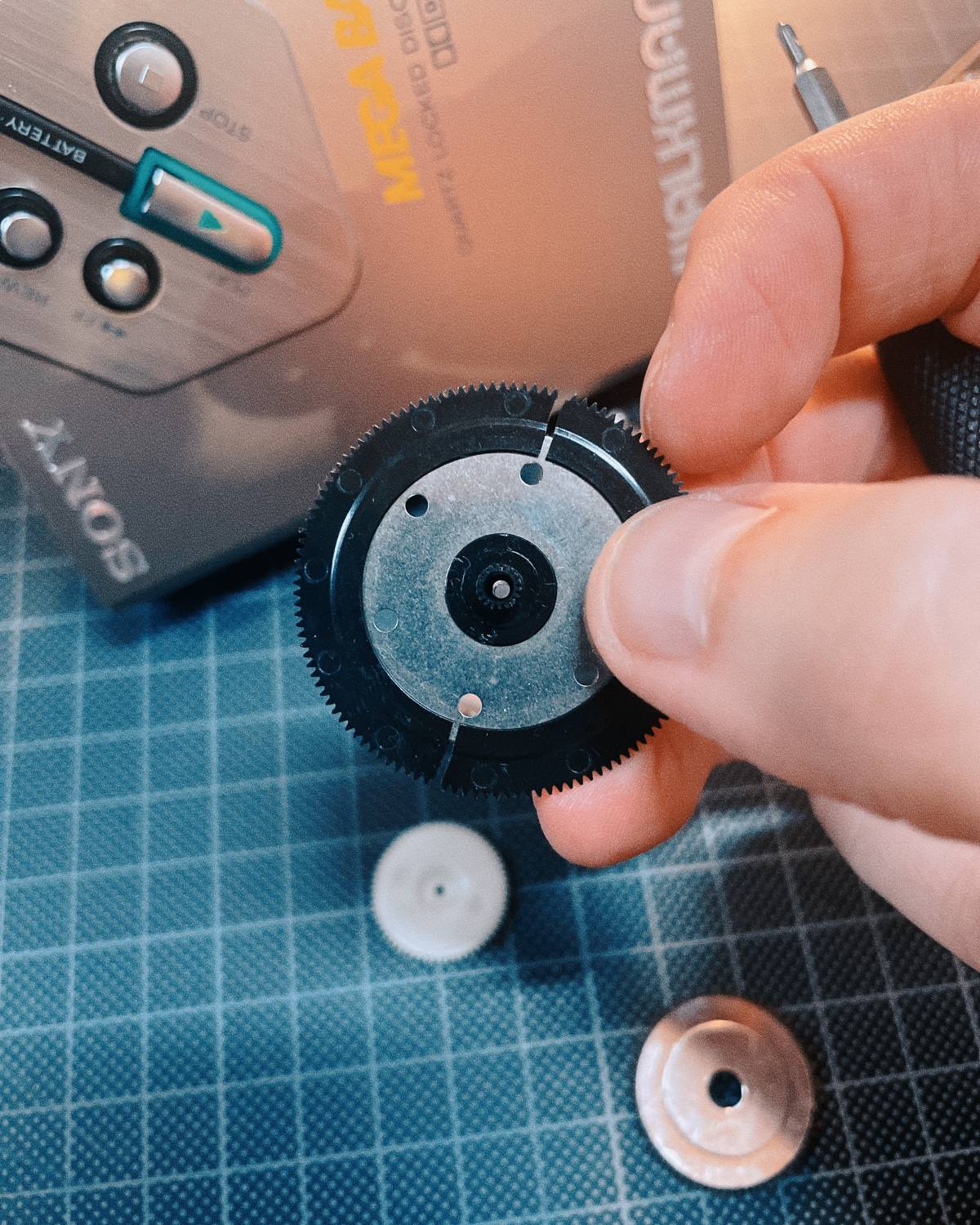
As a child, I took apart anything that had a screw in it. I needed to understand what makes a thing tick. That urge never left me.
My obsession started with dismantling electronic toys, but when I first saw a graphical user interface(just look at it!), I knew I also had to tinker with things on screens. In 1991 I got my first Game Boy. I studied every pixel of its dot matrix display and traced Super Mario onto graph paper with surgical precision. Three years later, I had my own computer. First I dabbled around with MS Paint but then Photoshop 3.0(layers!!!) was released, so I could finally draw pixels like a grown-up.
But I also wanted my creations to be interactive, so in 1999 I started to learn HTML and built my first website. It was at the dawn of the browser wars, people were still mangling <TABLE>s and spacer GIFs. Back then, the web was like a window from my teenage room into the world. It was an exciting phase of discovery. I learned so much from lurking in IRC chats, by trial and error, and ⌘+Z.
In hindsight, my curiosity, my admiration for great craftsmanship, and my ability to learn autonomously shaped my attitude towards my profession. I am still driven to understand how things work, especially in larger contexts. I want things to be robust and functional – but also delightful and fun.
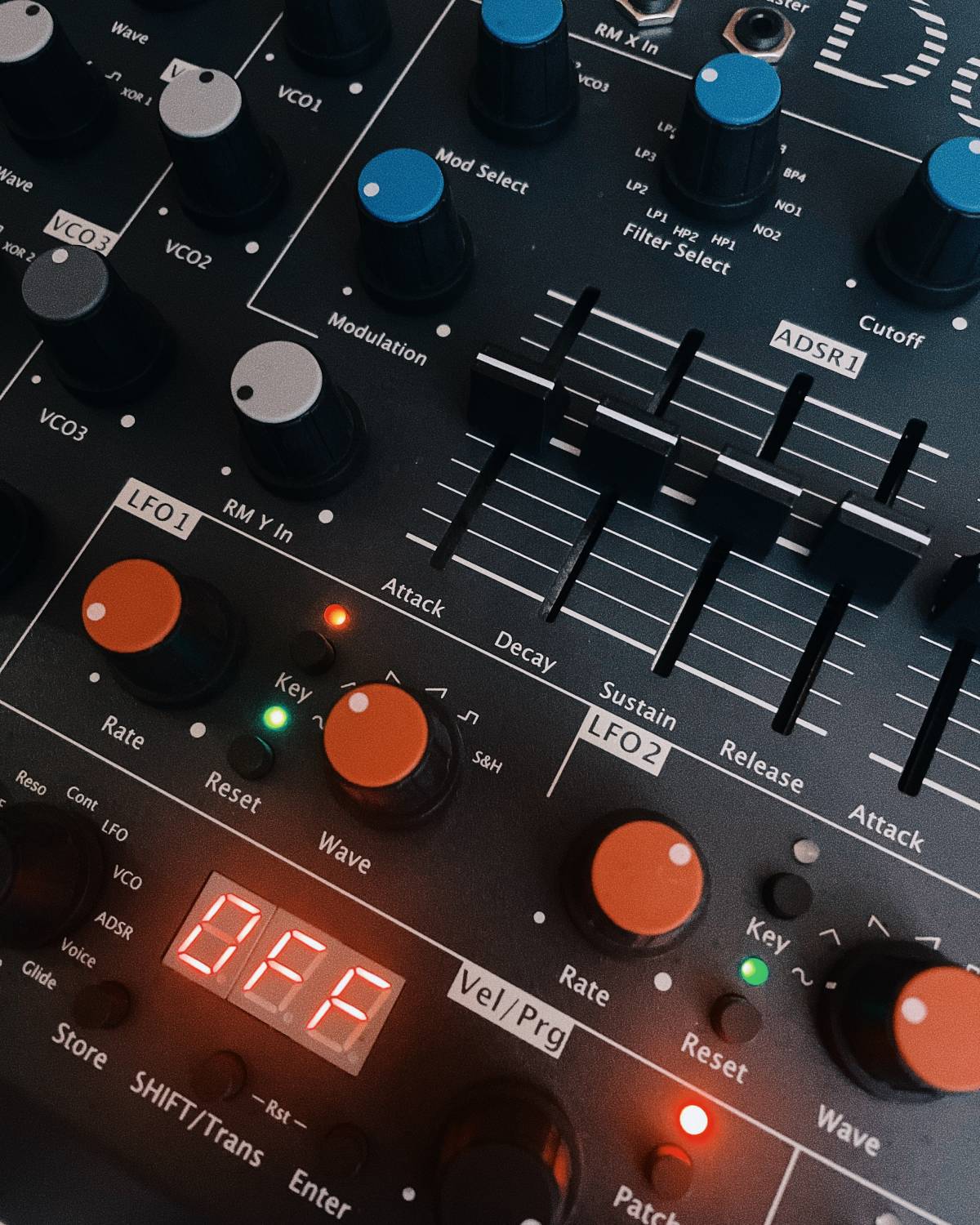
Apart from tinkering, I have always been into music, especially the Post-Punk of the late 1970s and mid-’80s(Joy Division, Bauhaus, The Cure, The Smiths, Sisters of Mercy, DEVO, … ). Those bands were often amateurs, rooted in DIY ethos, figuring out how to express themselves through music. Anyone can play guitar — with the right blend of chorus, flanger, and too much reverb. They inspired me to start making music myself. I’ve played in several bands since my teenage years — and I still do.