I vibecoded this app and the UX feels wrong — but I don’t really see why.

I don’t know how to pick a suitable font. Or where to get a great free one. I am so tired of the same fonts everywhere.

I need to write some documentation. I just used AI, but the output was full of mistakes and made-up stuff. Writing is really hard, ugh.

Alright everyone. I think it’s time for some ReSkilling!

ReSkilling? what does that even mean?

That’s how I call my training program to extend or refresh your knowledge. It helps you to become more independent from AI tools. It’s fun!

Just read on. I’ll explain everything.

In the context of generative AI, I see experienced professionals afraid of losing fundamental skills, while beginners worry about never fully learning them in the first place. When an LLM isn’t available, or its output does not satisfy, they struggle.

If you can relate to this, I’d love to help you with this modular training program.

Like preparing to survive on a remote island, you will learn the equivalents of making a fire, building a shelter, and navigating by the sun and stars.

This knowledge will not only improve your work, it will also make you a much better judge of AI-generated output. You will stay in control when others are stuck in never-ending prompting loops.

I’ll get you there through hands-on exercises and real-world examples, and equip you with curated resources to explore further on your own.

No matter which role, this program is equally beneficial for anyone who cares about creating great digital products.


Module A Interaction Design

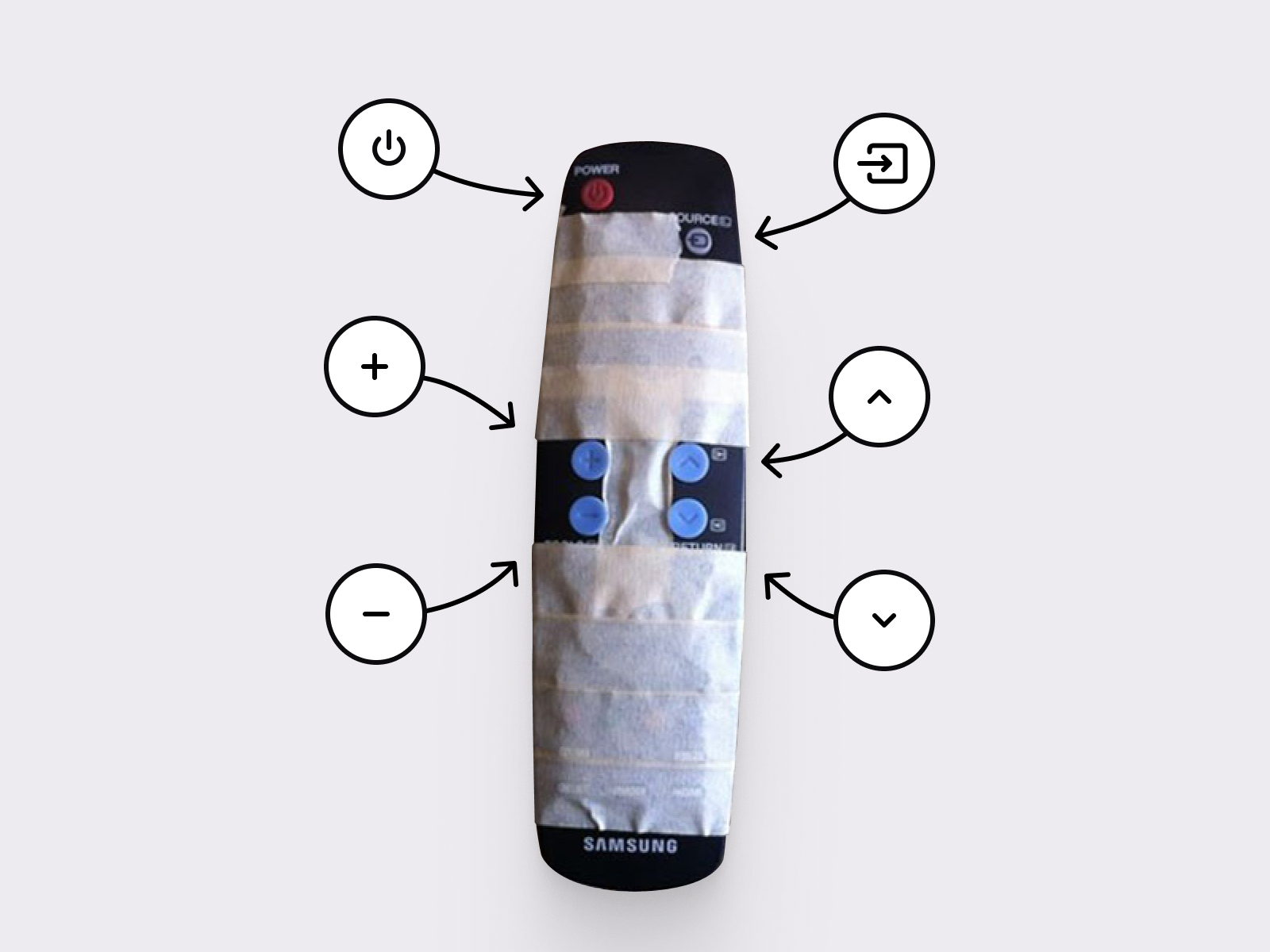
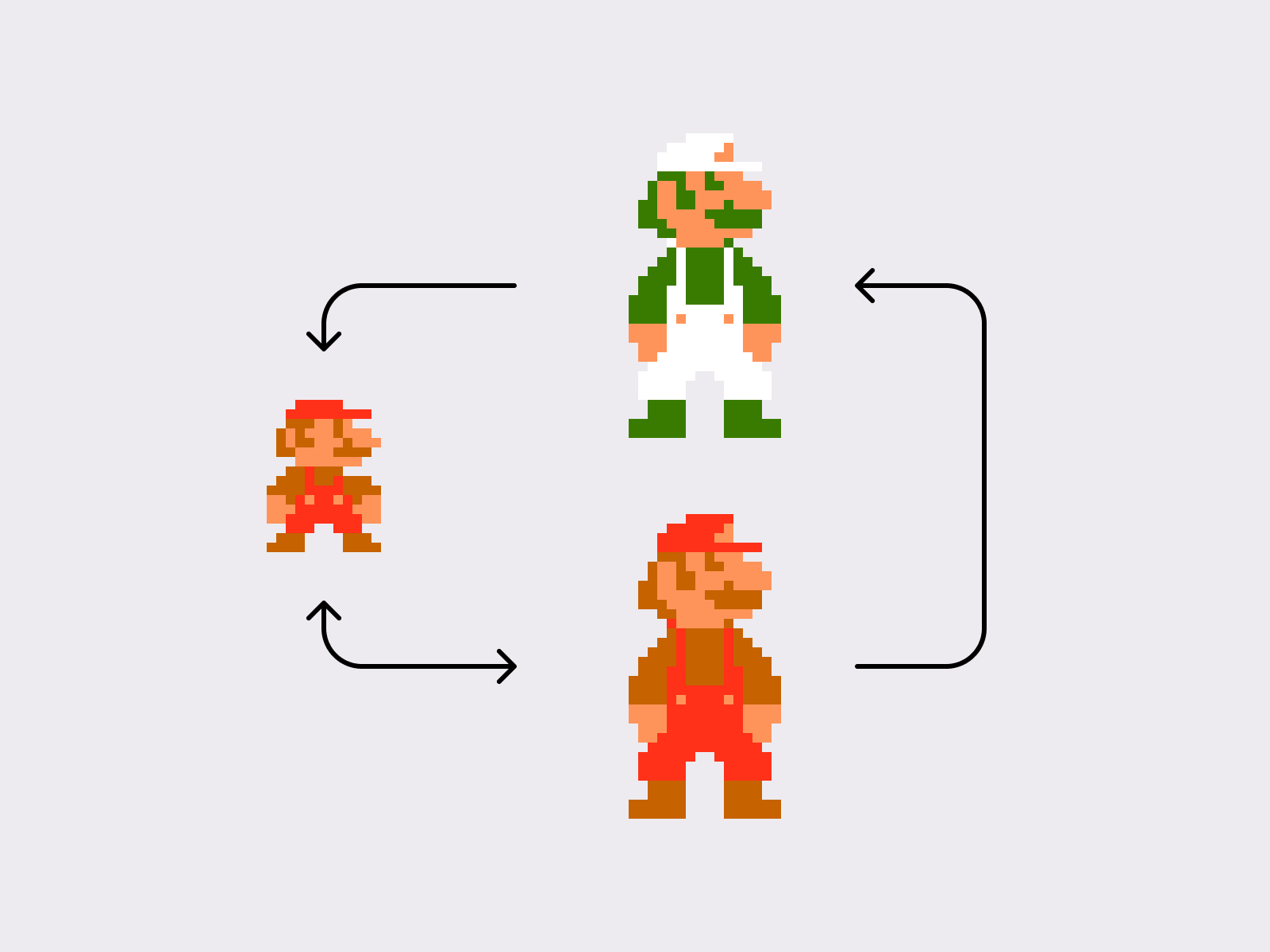
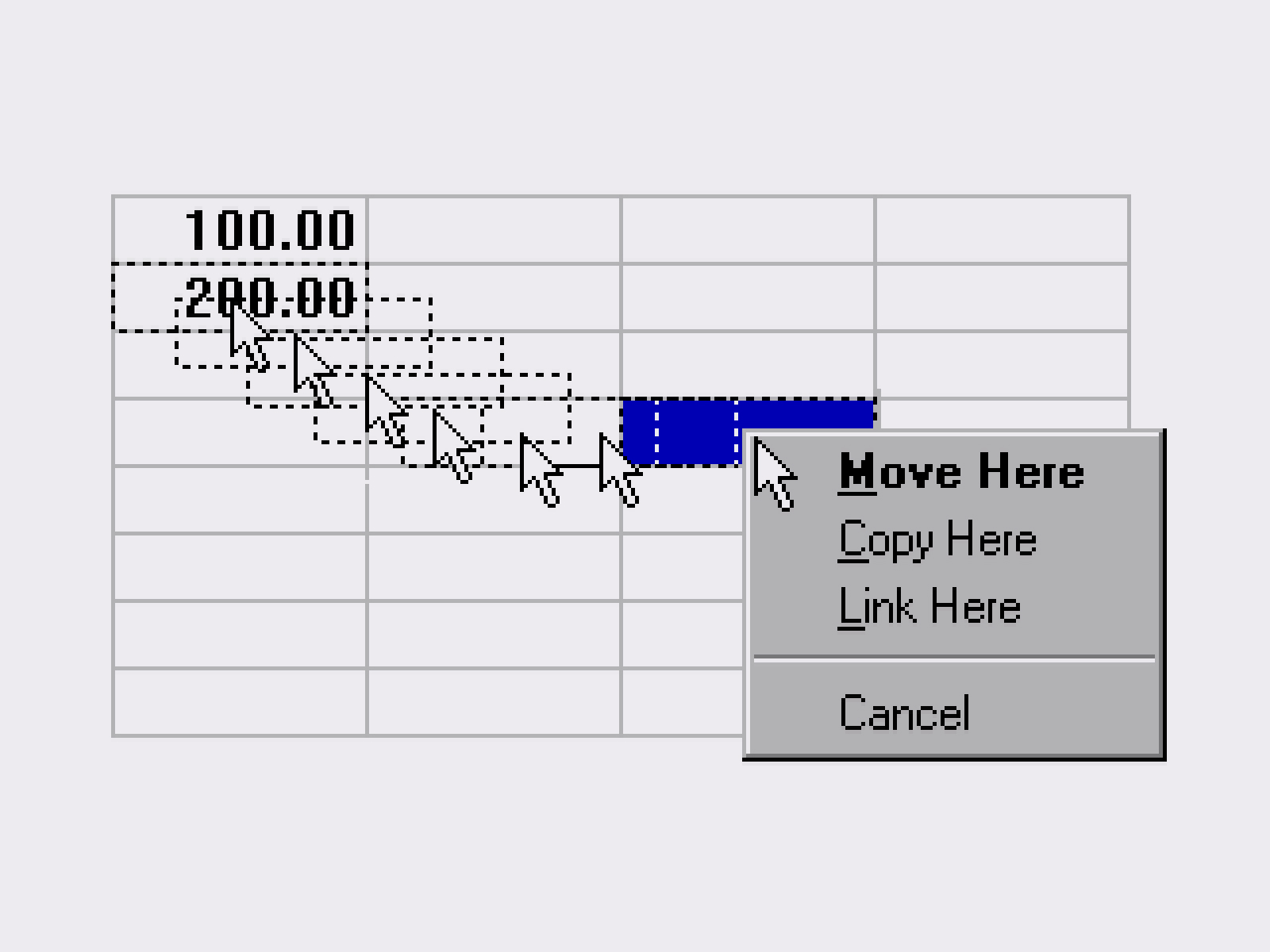
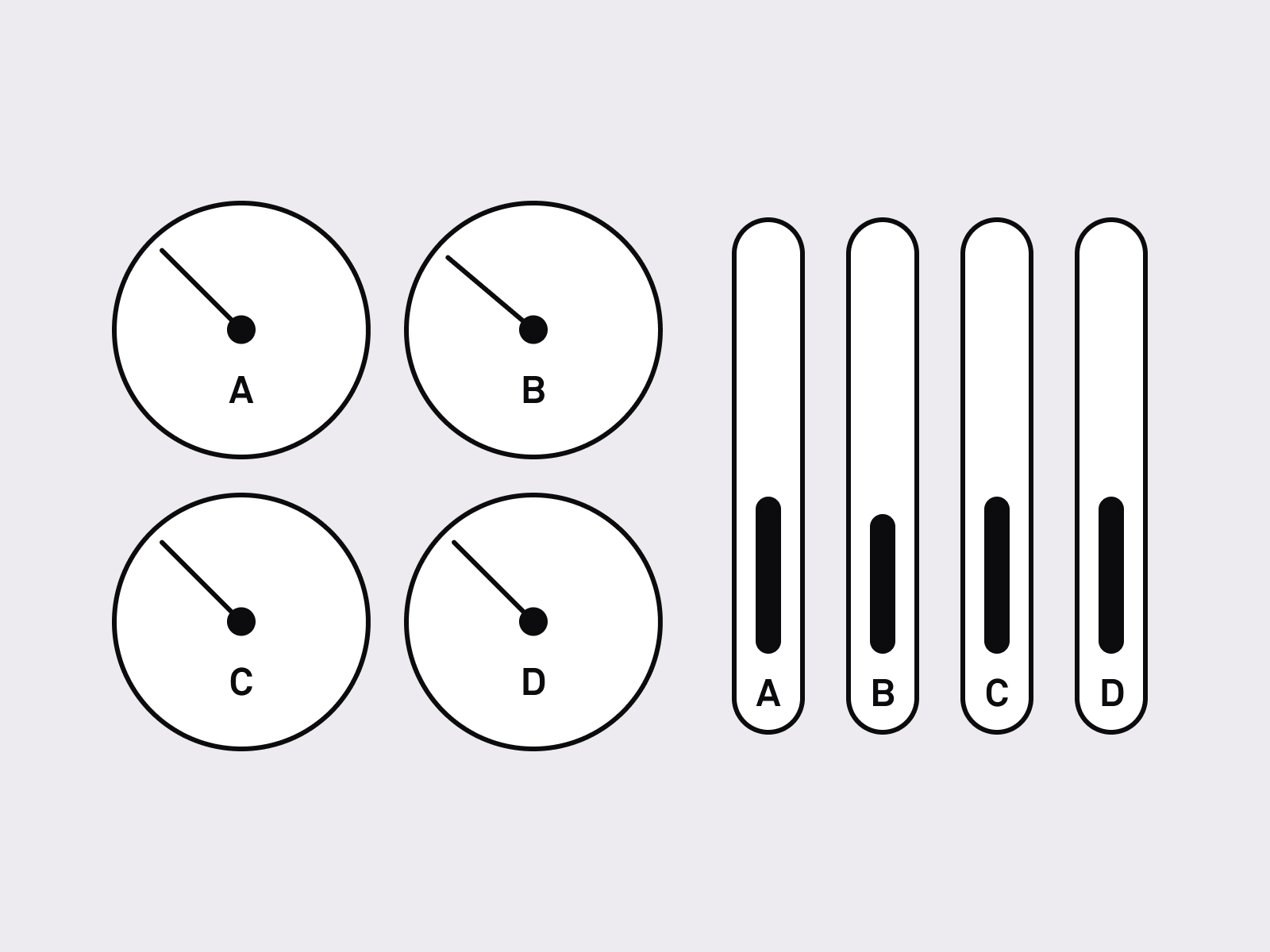
Interaction design (IxD) focuses on the behavior of human-facing systems, covering software and hardware. You will learn the fundamental rules that all interfaces adhere to — from physical buttons to voice control and everything in between.

Together we will discuss inspiring examples, dip our toes into design history, and speculate about interface designs of the future. Plenty of fun, hands-on exercises will break up the theoretical parts.

After this module, you will have a sharper eye for the mechanics of interaction design. You will be able to spot mistakes and understand how to prevent them. Ultimately, you will be able to tell good and bad interfaces apart — with proper arguments at hand.

Chapters

  1. The human-machine relationship
  2. Human-centered design
  3. Principles of IxD (structure, simplicity, visibility, feedback, tolerance, reuse, attraction)
  4. Laws of IxD (Fitt, Hicks, Murphy, …)
  5. Prototyping & testing (hands-on)
  6. Recap
  7. Ask me anything
  8. Resources

Available options

  • Full in-person workshop

    2 × 6 hours

  • Online worshop series

    6 × 2 hours

Go to inquiry

Module B Typography

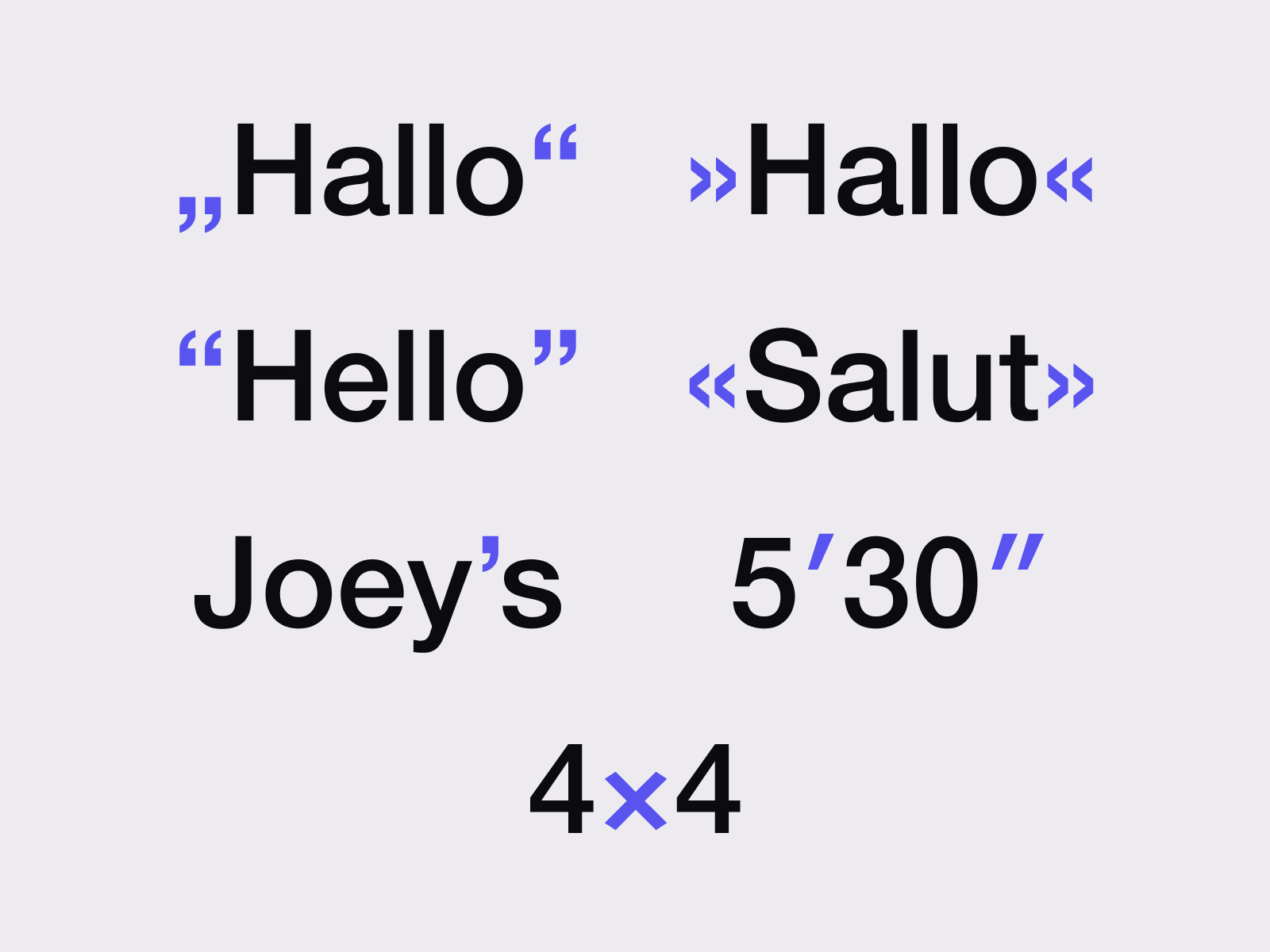
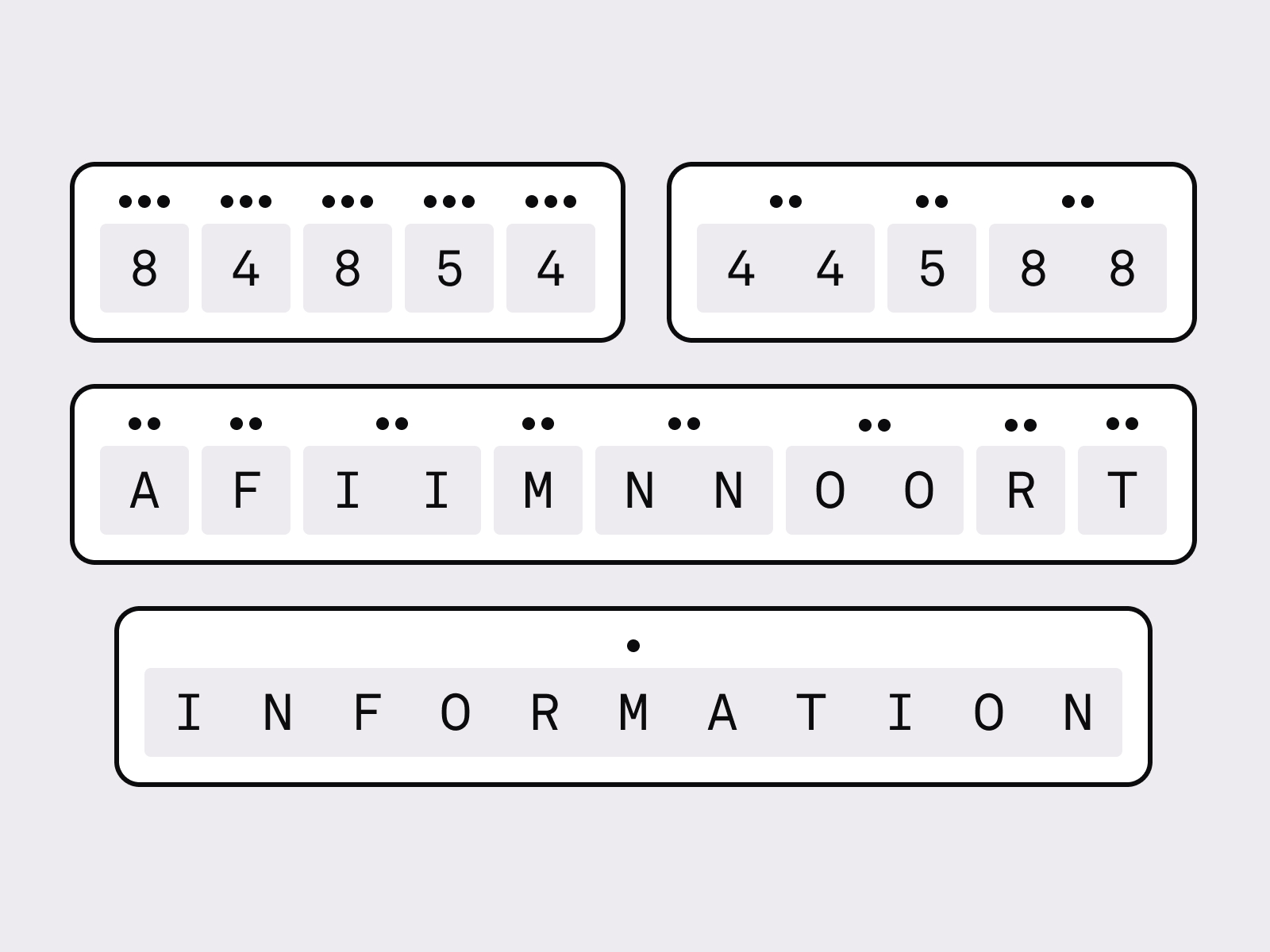
Most people never pay much attention to the way text is formatted or how typefaces are designed. However, some texts appear more professional than others. Many just don’t know why that is.

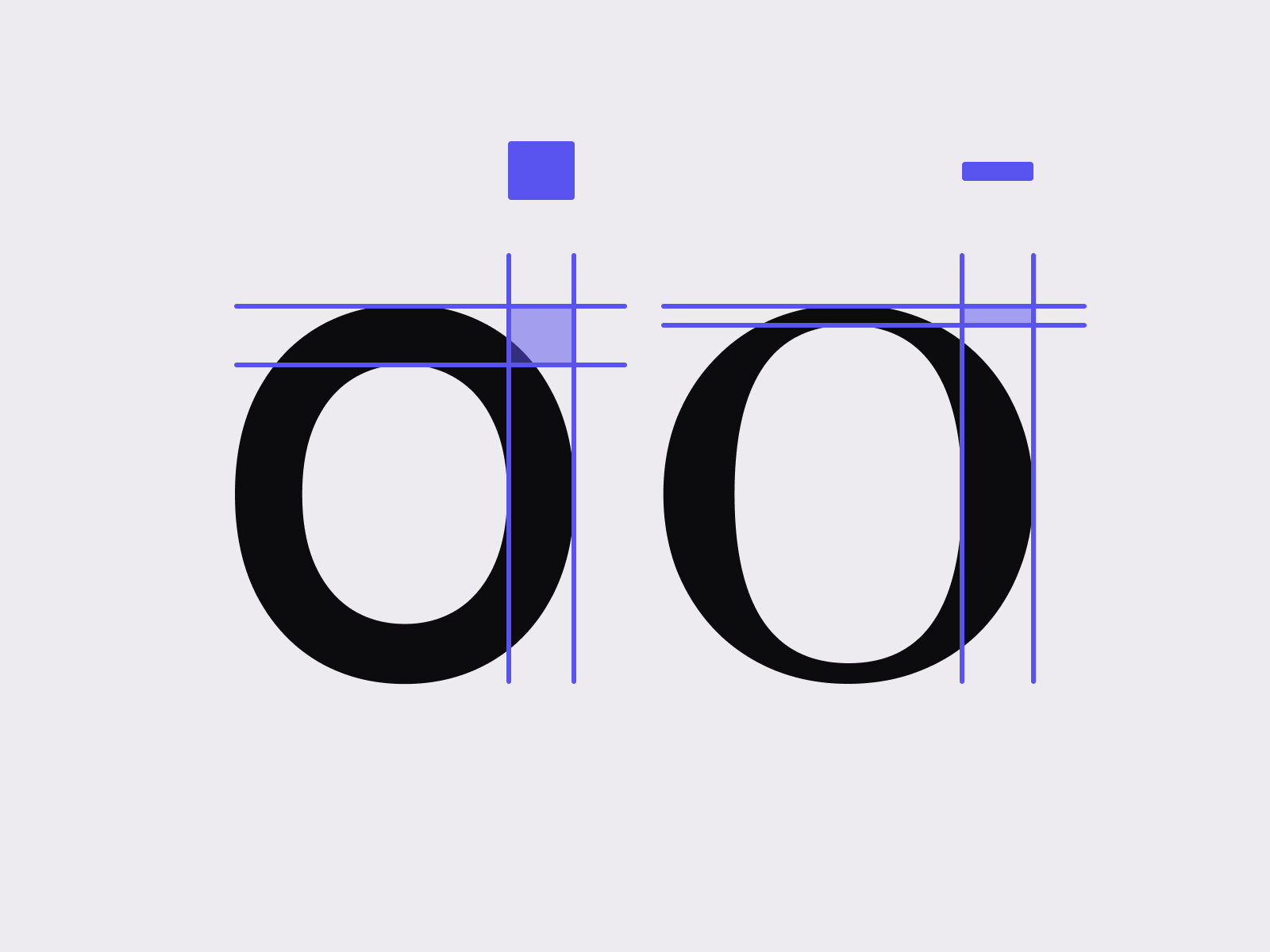
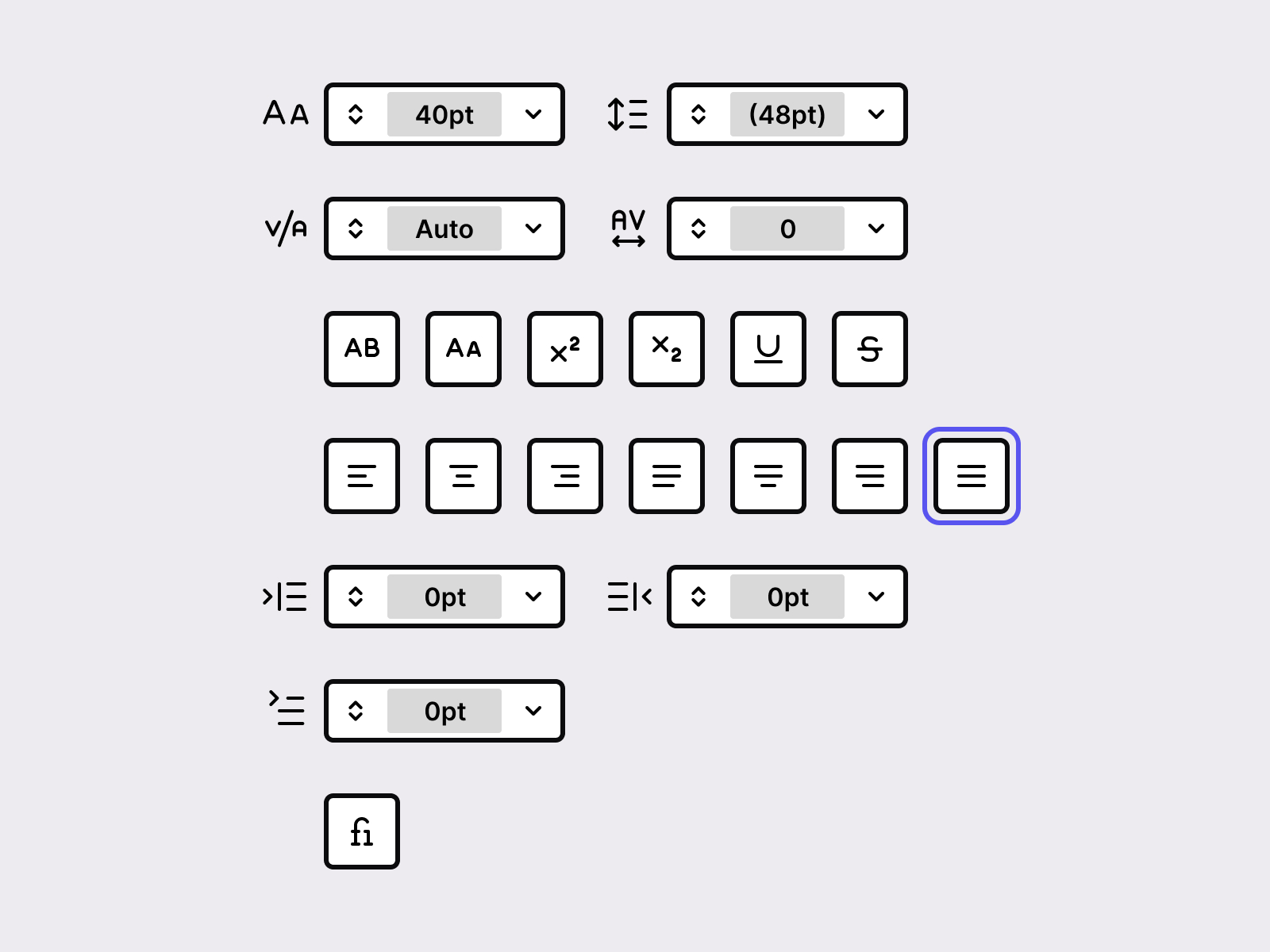
This hands-on workshop teaches you the very fundamentals of typography: What kinds of typefaces exist? How do you pick the right one for the job? How do you pair different ones? Where do you get great fonts other than Google Fonts? How do all these formatting options work — what’s right, what’s a mistake?

Those basic skills will enable you to produce better-looking text — no matter what tool you use.

Chapters

  1. Typography is everywhere
  2. Anatomy of characters
  3. Classification of typefaces
  4. Spotting good and bad typefaces
  5. Where to get great fonts
  6. Formatting explained
  7. Designing with type
  8. 20 tips for better typography
  9. Typography in different contexts
  10. Recap
  11. Ask me anything
  12. Resources

Available options

  • Full in-person workshop

    6 hours

  • Online worshop series

    3 × 2 hours

Go to inquiry

Module C Psychology

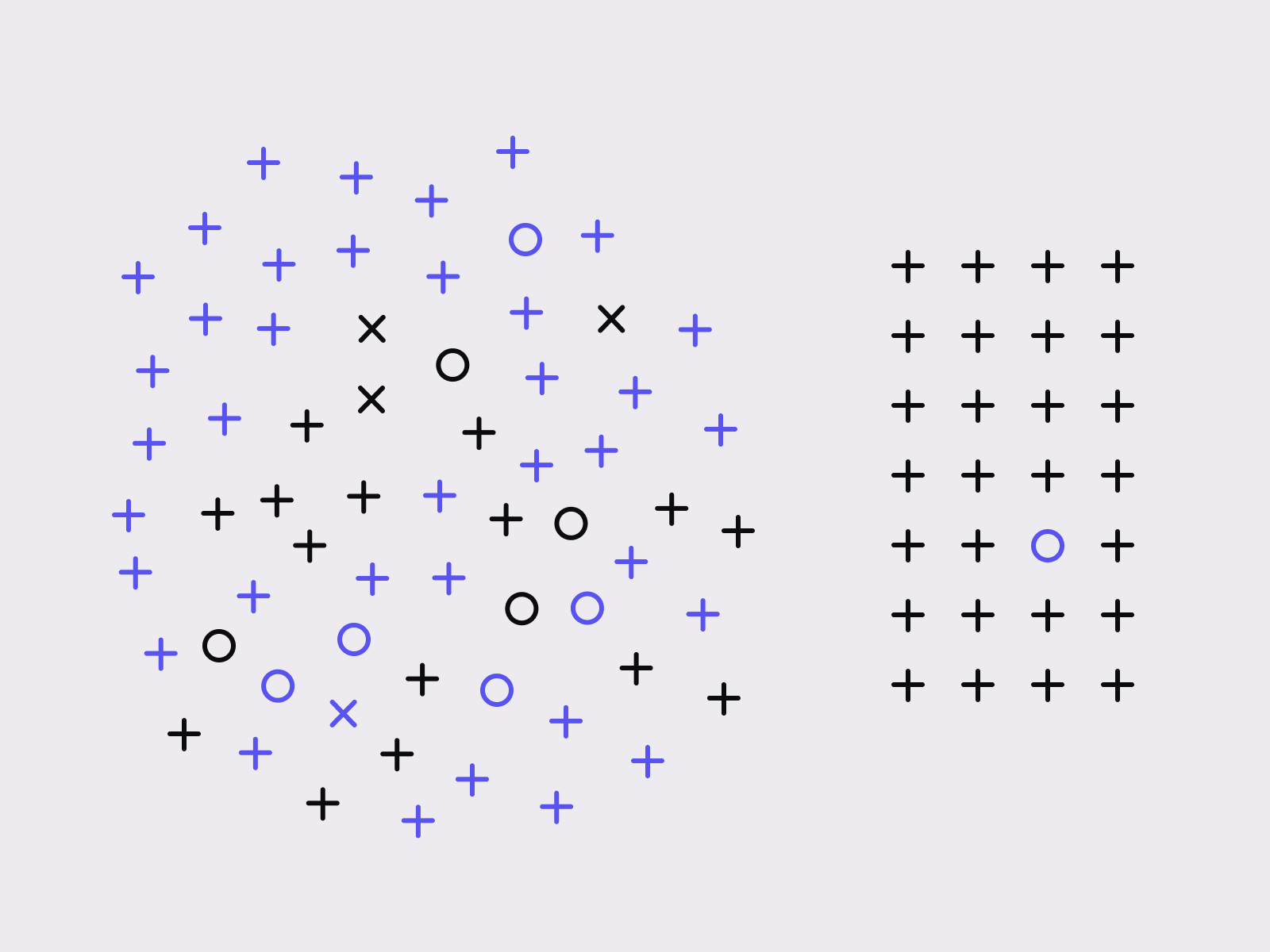
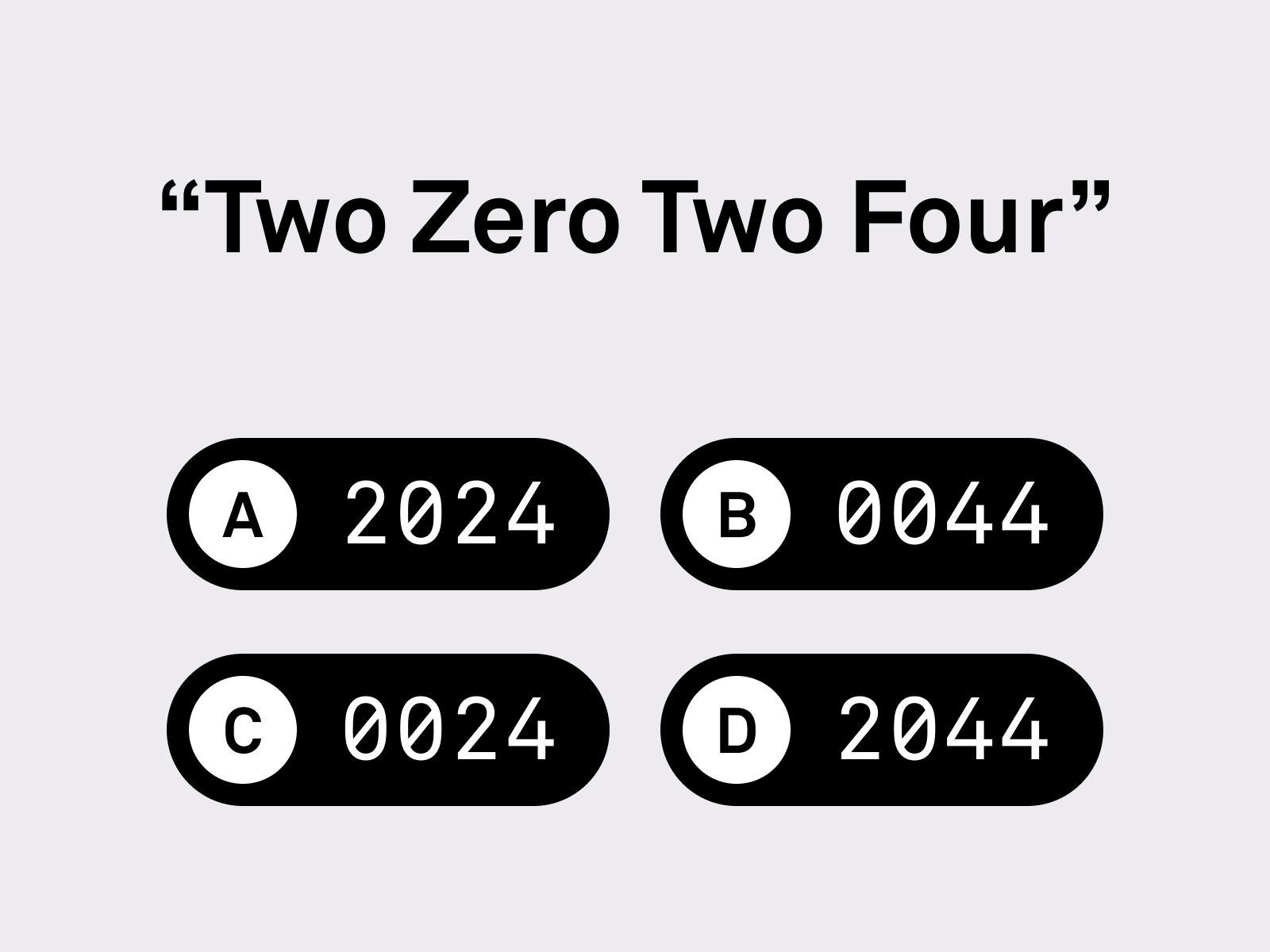
Have you ever wondered how humans work? How we process and memorize information, how we make decisions? Which external factors affect our behavior and how can our interactions with machines be guided?

This workshop covers insights from behavioral and cognitive psychology in the context of interaction design. How do you make a feature more discoverable? How do you create a logical hierarchy? How do you aid user input?

This general understanding of human psychology will enable you to design interfaces that people find easy — even pleasant — to use.

Chapters

  1. Understanding humans = understanding design
  2. Searching and finding
  3. The working memory
  4. Mental models
  5. Semantic long-term memory
  6. Affordance & Skeumorphism
  7. Recap
  8. Ask me anything
  9. Resources

Available options

  • Full in-person workshop

    6 hours

  • Online worshop series

    3 × 2 hours

Go to inquiry

Module D Technical Writing

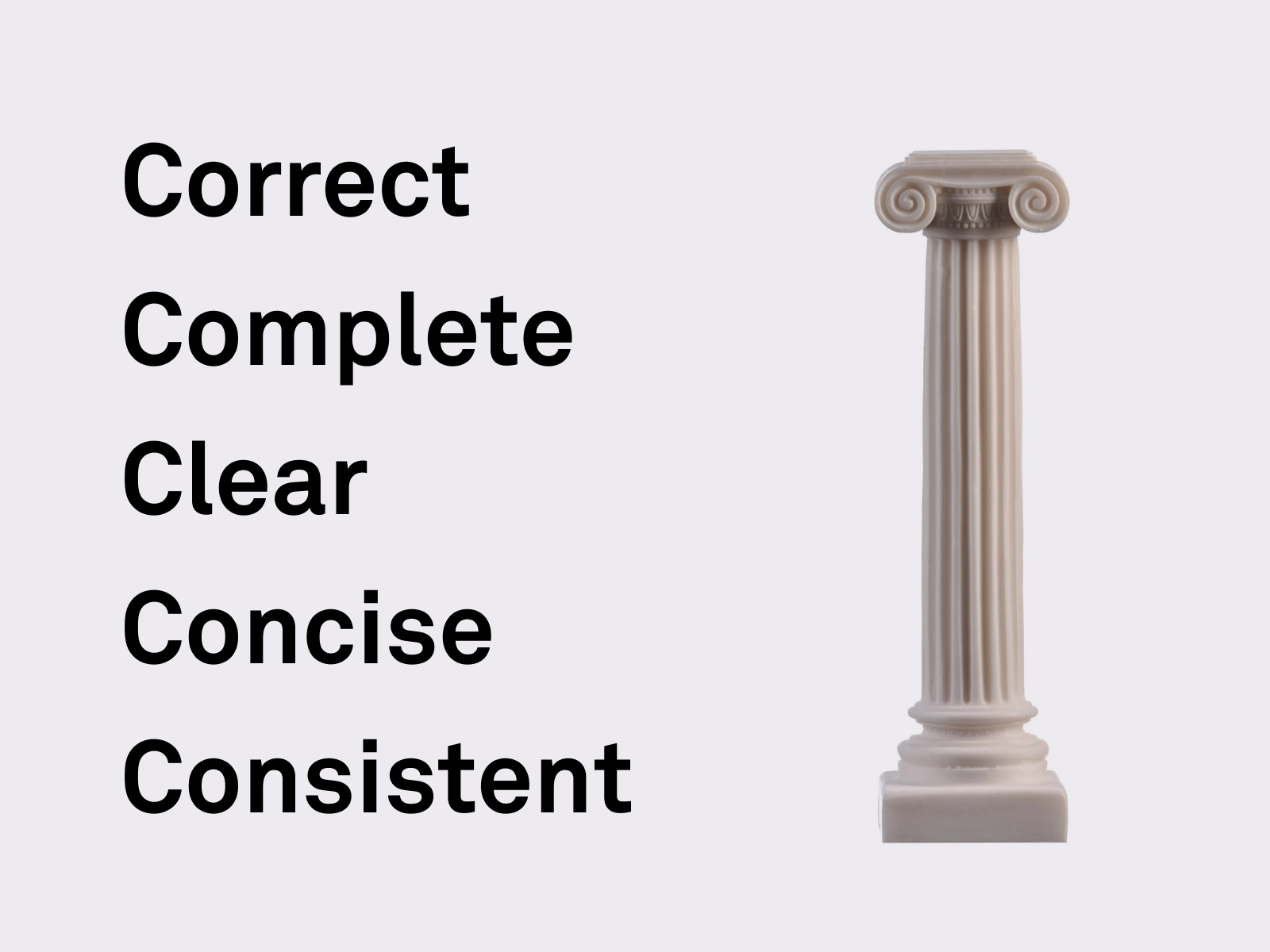
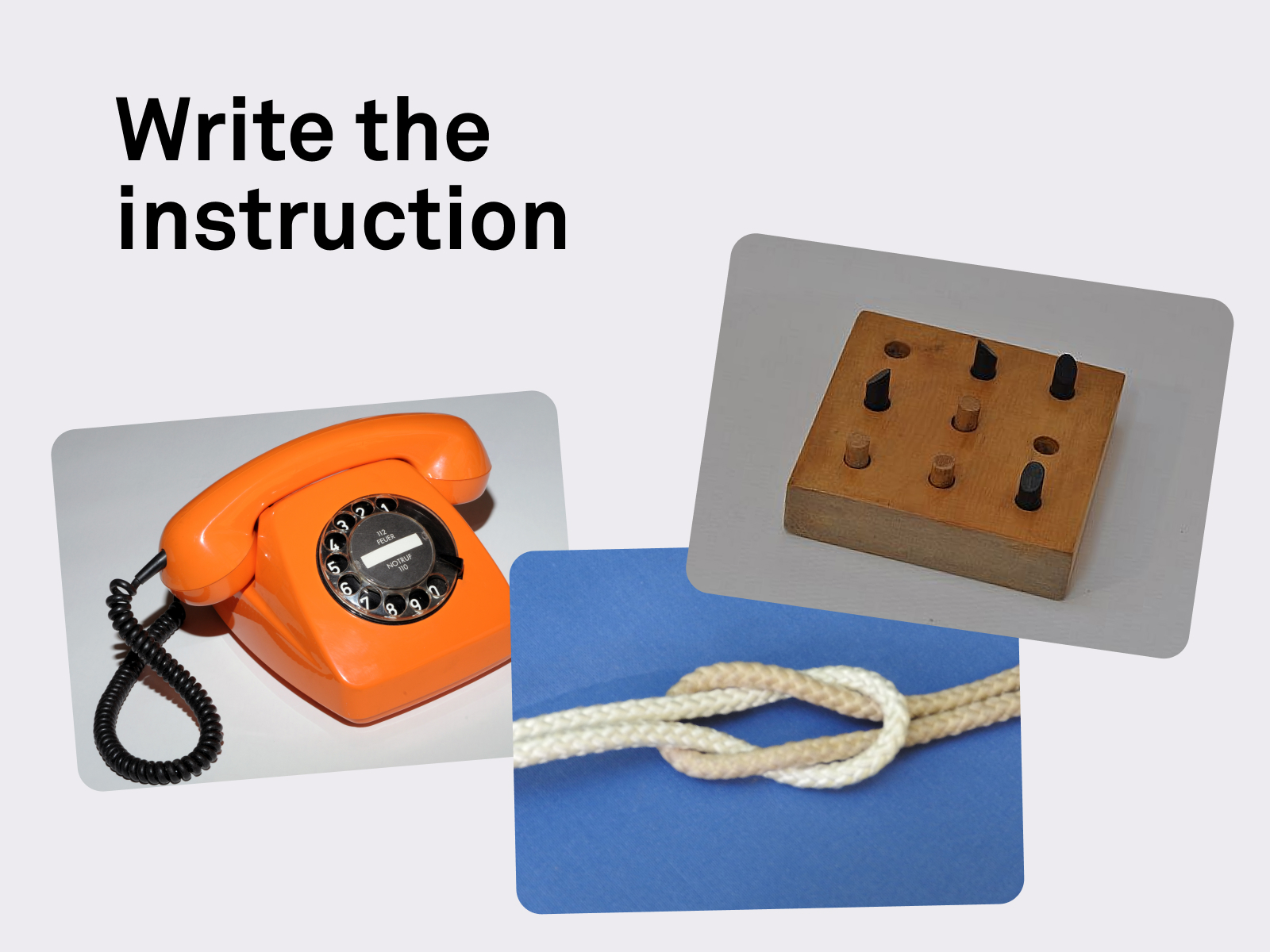
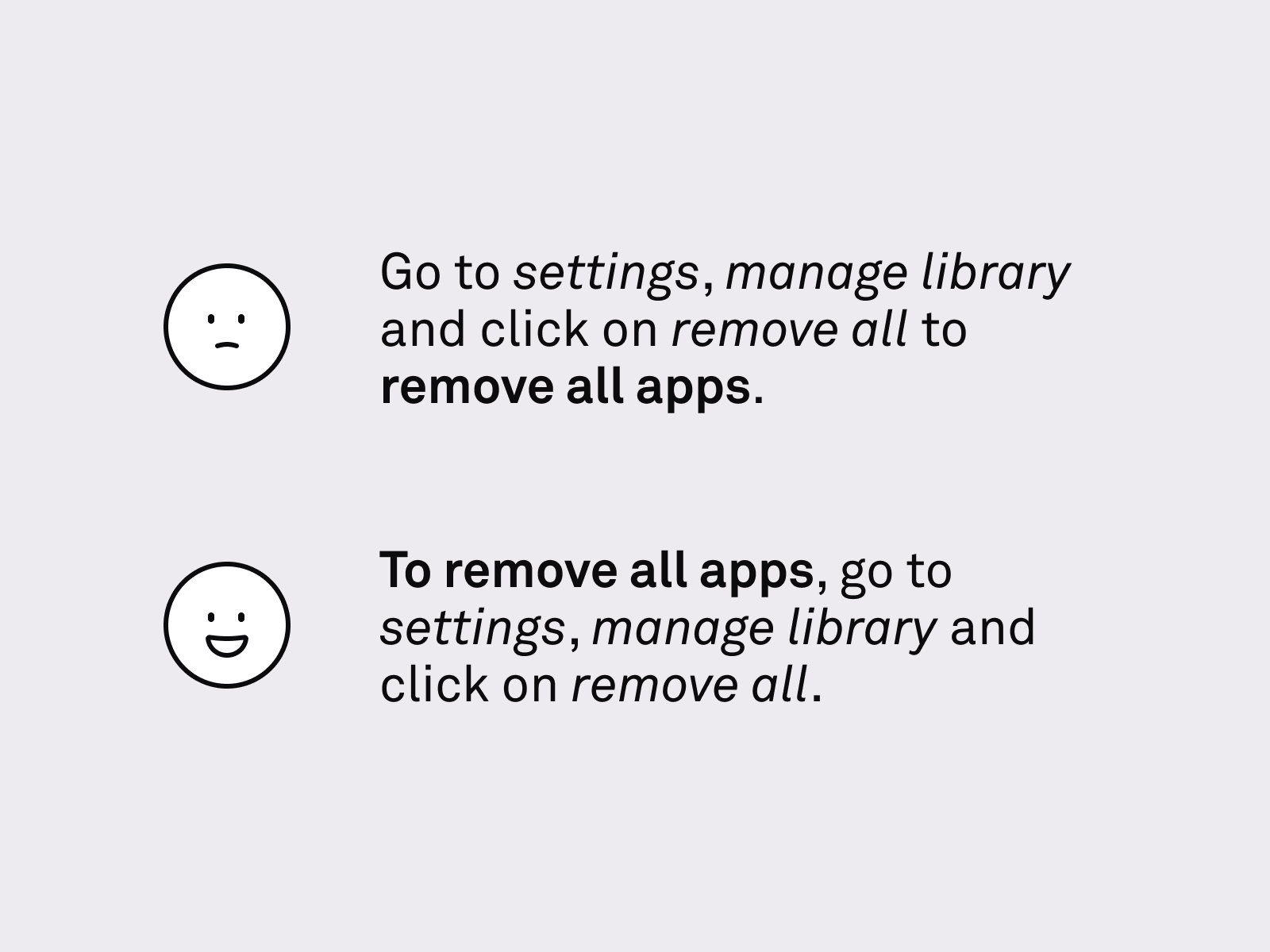
Writing step-by-step guides, documentation, or copy for user interfaces is a discipline called technical writing — and it can be very challenging. If you ever struggled following a user manual, you might understand how crucial it is to write clear, logical instructions.

I’d argue you should never blindly generate such text. The process of writing it yourself not only deepens your own understanding, it often reveals logical flaws in your design that you didn’t notice before.

This is a fully hands-on workshop with many small exercises and a lot of practical tricks. It will train both your writing and your logical thinking skills equally. And even if you decide to keep using LLMs for all your text — after this lesson, you will easily tell good and bad technical writing apart.

Chapters

  1. What is technical writing?
  2. Excercises A
  3. Rules & tools
  4. Excercises B
  5. Recap
  6. Ask me anything
  7. Resources

Available options

  • Full in-person workshop

    6 hours

  • Online worshop series

    3 × 2 hours

Go to inquiry

Inquiry

Write me an e-mail

mail. reimar @ sudo-sudo.com is my preferred channel for inquiries. I reply quickly.

Schedule a call

Pick a slot in my calendar for a short video call.

Schedule a call

All modules are fully independent and work for mixed groups of any size and at any experience level. Feel free to request a single module or any combination in any order you prefer. You may also combine chapters from different modules into a fully custom workshop — just ask, we’ll figure it out.

I am available for on-site workshops anywhere in Germany, preferably in the Berlin area. We can communicate in English or German. Do you have any further questions? Read the Q&A below or reach out to me directly via e-mail at contact. reimar @ sudo-sudo.com .


Q&A

Who is this for?

Anyone who works on digital products or is generally interested in this field. Designers, developers, researchers, product owners — at any experience level. Seniors will have a chance to refresh their knowledge, juniors will gain new skills.

How much does this cost?

I negotiate prices individually. I don’t work for free, but I often offer a discount to small companies and non-profits whose goals I support.

Can you come to our office?

I live in Berlin — so I can come to any place in the city without charging you extra. However, I can also travel when you cover the expenses.

Can we do this online?

Absolutely. Every module works via video conferencing as well as on-site. However, I prefer to split modules into shorter sessions when we do them remotely.

How many people can join?

We usually get the best experience with five to ten people. But I can adjust the modules to smaller or larger groups.

Can you do this as intense 1:1 training?

That’s certainly possible — but I recommend individual coaching sessions for the best result. Everyone is unique and I’d like to figure out the best path for you individually.

Can we pick and combine chapters into a custom session? Do you offer bespoke workshops on other topics?

Yes to all that — let’s chat and figure it out together.

We currently have a tight budget but I’d love to offer something educational to my team. Could you maybe turn a module into a shorter talk?

Sure, just reach out to me for the details.

Will we use AI during the workshops?

Sorry, no. That’s like asking to bring your RV to a survival camp. The whole point is to build up skills that make you more independent from AI.

How do I know this is legit?

These modules build on many years of teaching experience with my students, and workshops I held for my clients. The material is thoughtfully researched, battle-tested and constantly updated.

Who are you?

My name is Reimar, I am a designer, developer and consultant. Nice to meet you. Take a look around my website to learn more about me and my work.